
Use It or Lose It

Use it or lose it, is what Dr. Cunningham always says at the end of my yearly visit. She’s referring to keeping my strength, flexibility, mental sharpness, agility, etc. But what about all those other things already in short supply? For me, the list includes, and is not limited to: patience, empathy, and yes, courage—qualities I’d like to have in spades, but find myself sadly lacking.
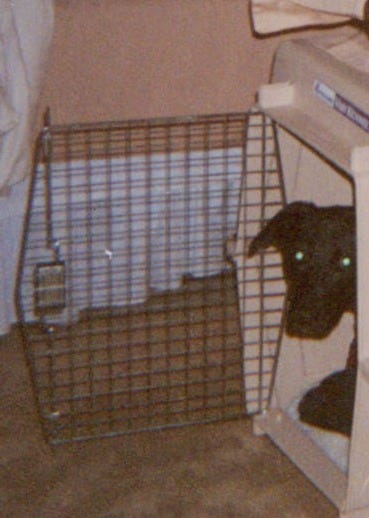
Years ago, I set myself the task of becoming more empathetic. I read books, wrote reminder notes, memorized mantras, and marginally improved. During that time, I consulted a dog trainer regarding how scared my then-dog, Hershey, was of heat registers. Hearing this, the trainer’s face changed. Imagine how awful that is for her, she said with real pain. I was embarrassed; it hadn’t crossed my mind. For the trainer, empathy was akin to breathing. I was and always will be a self-taught empathy fumbler.
I think it’s like playing the cello. If you’re gifted, practice illuminates your talent. If you’re not, you can still learn to play, but you’re never going to be Yo-Yo Ma. And there are advantages to not being naturally good at something. In seventh grade, I had a miserable time with algebra, but struggled my way through and passed. The upside was, having worked so hard to learn it, I became a pretty good tutor for others.
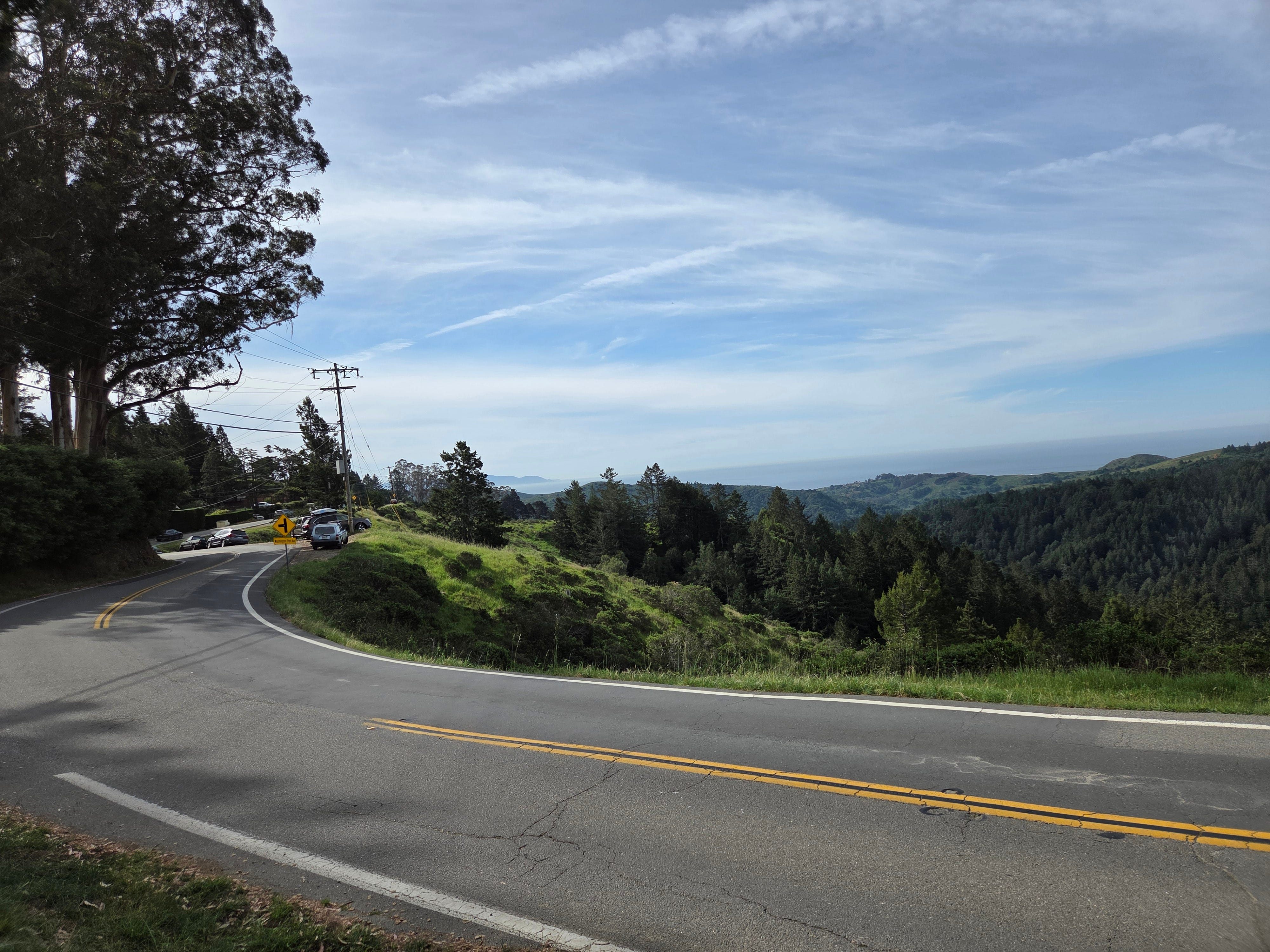
As the offspring of two impatient people, patience has always been a challenge. For example, the roads on our little mountain are narrow, full of blind curves and scary edges without guardrails. Visitors often drive far below the speed limit, ignore pull-offs to let other cars pass, and crawl behind bicyclists struggling up the hill. Yes, of course, they have the right to go slowly, but they really ought to pull over and let the rest of us get on with it. When they don’t, which is often, my practice includes not honking, or mouthing swear words through the windshield, or tailgating, or yelling out the window. It helps not to think of these drivers as buttheads—empathy practice. My improvement is slow.
And then there’s courage. Oh, how I long to be brave. According to Merriam-Webster, courage is the mental or moral strength to venture, persevere, and withstand danger, fear, or difficulty. Walking into the lion’s den without a flinch isn’t me. As a kid, I learned early to keep my mouth shut when trouble was afoot.
Of course, there are thousands of ways to be brave without lions. The ones I most want include: having adventures, being myself when uncomfortable, telling the truth even when it’s unpopular, admitting I’m wrong (especially when it’s embarrassing), and the courage to say what’s on my mind. I’m practicing that last one here. Thank you for reading my notes and sometimes commenting . It means the world to me. And if by any chance you feel like sharing what you’re practicing, I’d love to read it.
Love this Randall.
Courage with a capital C is can be only a nice word for suffering. I really like your list of courageous acts because they bring joy, not more fortitude. Xo